
Creating a cozy and functional home office has become a priority for many, especially as remote work and flexible schedules become more common. Having a dedicated workspace that feels inviting yet practical can make a difference in how productive and comfortable you feel throughout the day. Whether you have a small corner or an entire room to dedicate to your home office, these tips will help you create an environment that supports focus, creativity, and well-being.
Choose the Right Location
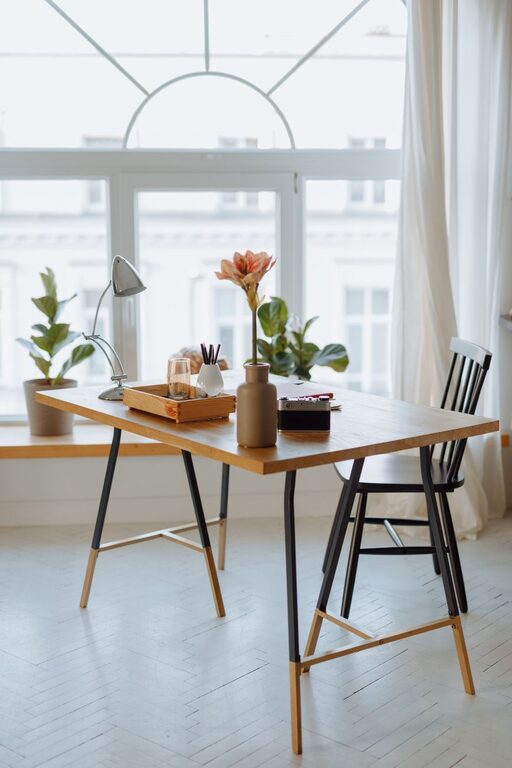
The foundation of a great home office starts with choosing the right spot. Consider a space with plenty of natural light, as it can improve mood and reduce eye strain. A quiet area away from household distractions is ideal to maintain concentration.
If you don’t have a separate room available, look for unused corners in your living room, bedroom, or even under the stairs. Using room dividers or screens can help create visual separation and define the office space within a larger room.
Invest in Ergonomic Furniture
Comfort is key when setting up a home office that you’ll use for many hours. An ergonomically designed chair with proper back support can prevent discomfort and long-term strain. Pair it with a desk at an appropriate height to maintain good posture.
Consider standing desks or adjustable desks that let you switch between sitting and standing throughout the day, which can help reduce fatigue. Don’t forget to arrange your computer monitor at eye level to avoid neck strain.
Optimize Lighting
Lighting plays a significant role in both comfort and productivity. Natural daylight is the best option, so position your desk near a window if possible. When natural light is insufficient, use a combination of ambient and task lighting.
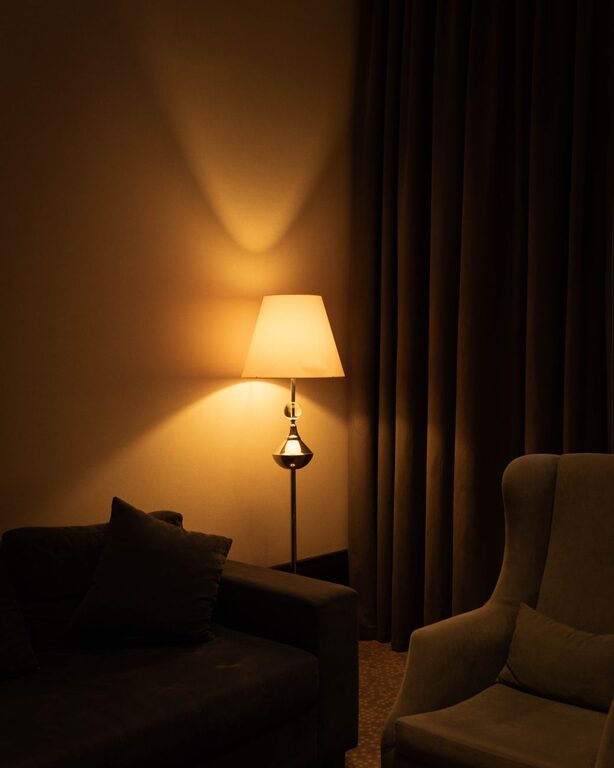
Desk lamps with adjustable brightness help illuminate your workspace without causing glare on screens. Warm light tones tend to create a softer and more inviting atmosphere, which can enhance your sense of coziness.
Personalize Your Space
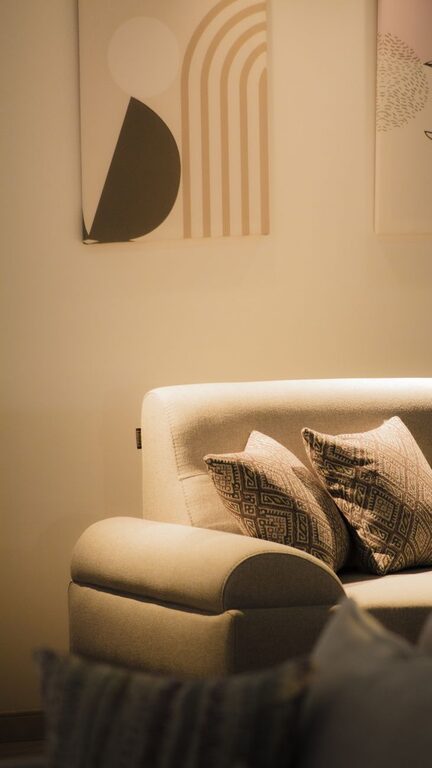
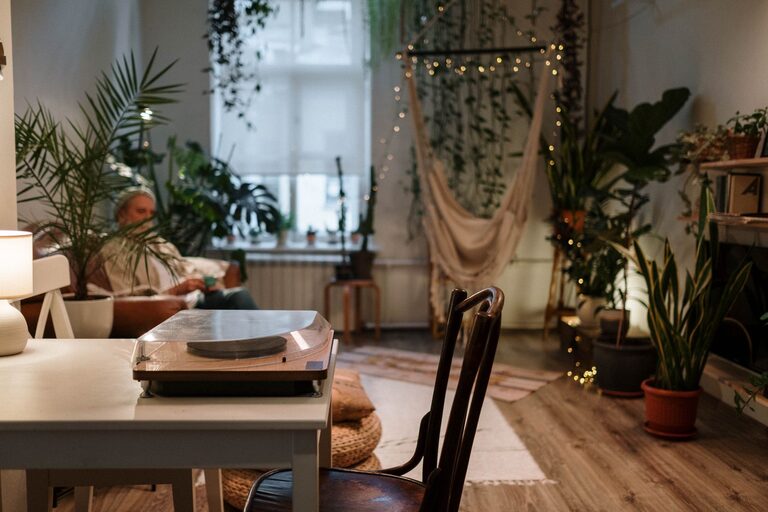
Adding personal touches can make your office feel like a space you love to spend time in. Hang art or photos that inspire you, use plants to bring in a natural element, and select colors for walls or decor that reflect your style and promote calmness or creativity.
Incorporate textures like soft cushions, rugs, or curtains to make the room feel warmer and more inviting. Even small touches like a favorite mug or decorative stationery can improve your mood.
Keep It Organized
A clutter-free workspace helps you stay focused and reduces stress. Use storage solutions like shelves, filing cabinets, or baskets to keep papers and supplies neatly organized. Cable management tools can tidy up cords to maintain a clean look.
Regularly declutter your desk and organize digital files to maintain an efficient workflow. Consider daily or weekly routines to keep your space in order.
Incorporate Practical Technology
Having the right technology can streamline your work. Invest in reliable internet connectivity, quality headphones for calls, and a printer or scanner if needed.
Consider accessories like an external keyboard, mouse, or monitor to optimize your setup. Make sure cables and devices are arranged neatly to avoid distractions.
Manage Sound and Distractions
If your home is noisy or distracting, think about soundproofing options or noise-canceling headphones. Soft furnishings like rugs and curtains can help absorb sound and reduce echo.
Setting boundaries with family or roommates about your work hours helps minimize interruptions. You can also use apps or timers to stay focused in timed work sessions.
Add Multipurpose Elements
If you share your office space or use it for other activities, incorporate flexible furniture. For example, a desk that folds away or a storage unit that doubles as a seating bench can save space.
Consider a whiteboard or bulletin board for note-taking and planning, which can be both functional and decorative.
Maintain Good Air Quality
Fresh air and good ventilation improve concentration and comfort. Open windows when possible or use an air purifier to keep the air clean.
Adding plants not only personalizes your workspace but can also enhance air quality and reduce stress.
Establish a Routine
Last but not least, creating a cozy and functional home office space also involves setting routines. Define your working hours, take regular breaks, and keep your workspace dedicated to work-related activities to maintain a healthy work-life balance.
—
Creating a comfortable and efficient home office is about balancing style with practicality. By carefully selecting your location, furniture, lighting, and decor, and keeping the space organized and personalized, you’ll foster a workspace that supports your best work every day.
About the Author