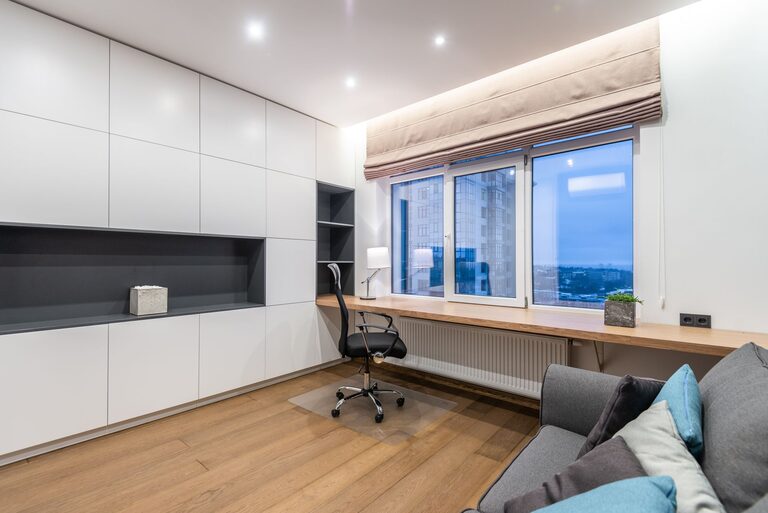
Creating a home office that is both cozy and functional is essential for anyone who works from home or needs a dedicated space for projects and creative endeavors. A well-designed home office can boost your productivity, improve focus, and make working long hours more enjoyable. Whether you’re setting up a new workspace or revamping your current one, these tips will help you make the most of your office while keeping it welcoming and efficient.
1. Choose the Right Location
The first step in creating a cozy and functional home office is to pick the best spot in your home. Consider the following:
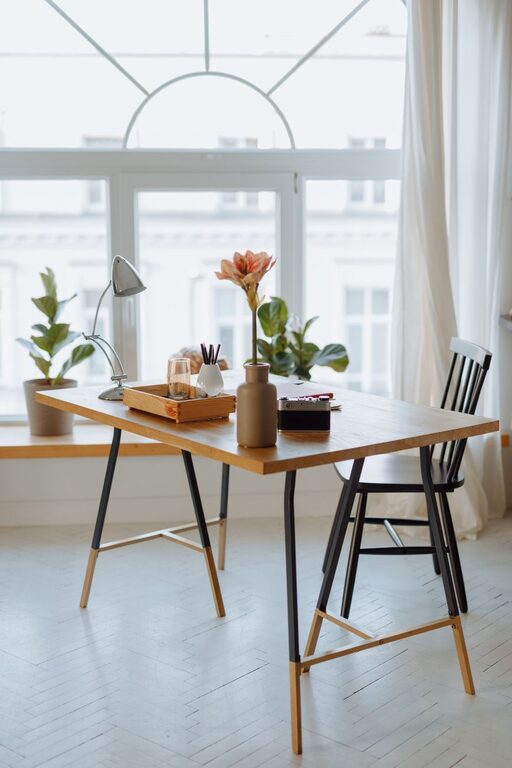
– Natural Light: Position your desk near a window if possible. Natural light helps reduce eye strain and improves mood.
– Quiet Area: Select a space away from busy areas such as the kitchen or living room to minimize distractions.
– Space Availability: Make sure the area is large enough to fit your desk, chair, and any necessary equipment comfortably.
– Privacy: If you need privacy for meetings or focused tasks, choose a room with a door or use room dividers to create a separate zone.
2. Invest in Comfortable, Supportive Furniture
Comfort is key when you spend hours working at a desk. Prioritize these furniture pieces:
– Ergonomic Chair: A chair with adjustable height, lumbar support, and comfortable padding will help you maintain good posture and avoid back pain.
– Sturdy Desk: Select a desk that fits your needs — whether it’s small and simple or large with plenty of storage. A sit-stand desk is a great option for those who want to alternate between sitting and standing.
– Storage Solutions: Use shelves, filing cabinets, or storage bins to keep everything organized and within reach without cluttering your workspace.
3. Optimize Lighting for Productivity and Comfort
Lighting affects both your productivity and how cozy your space feels.
– Layered Lighting: Use a combination of natural light, overhead lighting, and task lamps. Adjustable desk lamps help direct light where you need it most, reducing shadows and eye strain.
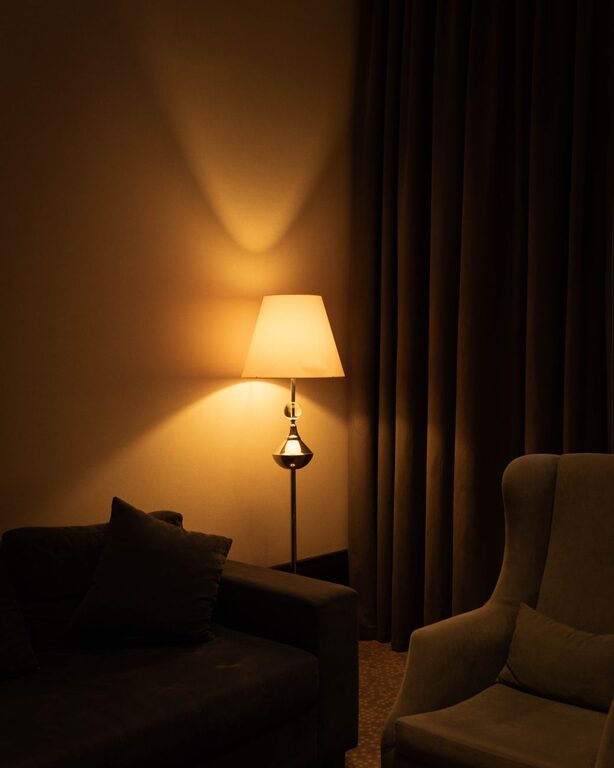
– Soft, Warm Bulbs: Choose bulbs with a warm color temperature (around 2700K to 3000K) for a calming, cozy atmosphere. For focused work, a brighter, cooler light can enhance alertness.
– Avoid Glare: Position your computer screen to avoid glare from windows or lamps. Anti-glare screens or monitor hoods can also help.
4. Personalize Your Workspace
Adding personal touches can make your home office feel inviting and unique.
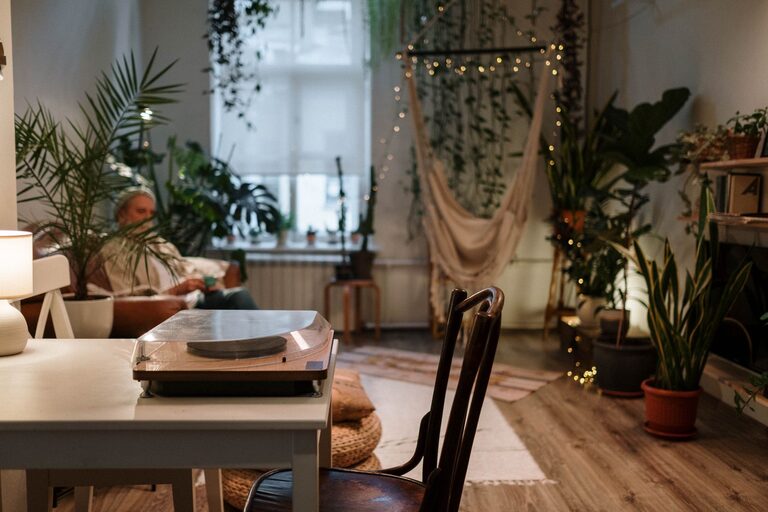
– Decor Items: Incorporate artwork, plants, or inspirational quotes. Plants not only boost aesthetic appeal but also improve air quality.
– Color Palette: Choose colors that inspire calm and productivity. Soft blues, greens, or neutral tones work well for many people.
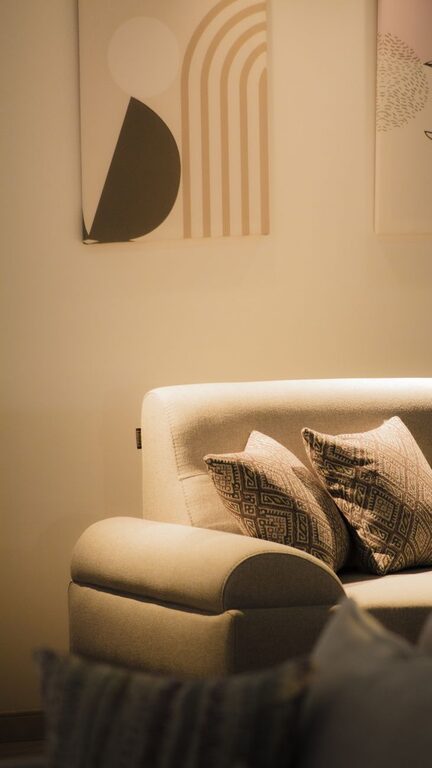
– Comfort Elements: A cozy rug, throw blanket, or cushions can make your office feel warmer and more inviting.
5. Keep It Organized
A clutter-free desk contributes to a clearer mind and greater efficiency.
– Declutter Regularly: Remove items you don’t use often and tidy your desk at the end of the day.
– Use Organizers: Desk trays, cable holders, and drawer dividers help keep supplies neat.
– Digital Organization: Maintain tidy digital files and bookmarks to reduce frustration and save time.
6. Incorporate Technology Thoughtfully
The right technology setup supports your workflow without overwhelming your space.
– Quality Equipment: Invest in a reliable computer, keyboard, mouse, and headset.
– Cable Management: Use clips, sleeves, or boxes to keep cords tidy and prevent tangling.
– Backup Power: Consider a surge protector or uninterruptible power supply (UPS) for important devices.
7. Create Zones for Different Tasks
If your space allows, designate areas within your home office for specific activities.
– Work Zone: Your desk and computer setup for focused tasks.
– Reading or Planning Zone: A comfortable chair or small table for reading documents or brainstorming.
– Storage Zone: Shelves or cabinets for supplies, files, and books.
This setup encourages movement and helps prevent fatigue.
8. Maintain a Healthy Work-Life Balance
A cozy, functional office should also support your well-being.
– Set Boundaries: Use your office space only for work during work hours to separate professional and personal life.
– Take Breaks: Incorporate short breaks to stand, stretch, or step outside.
– Add Movement: Consider a small area for simple stretches or a standing desk option to promote activity.
Final Thoughts
Creating a cozy and functional home office doesn’t require a major renovation or expensive furniture. With thoughtful planning and a few simple adjustments, you can design a workspace that helps you work more comfortably and efficiently. Remember, your home office should reflect your personal style while supporting your work needs, making it a place you look forward to spending time in every day.
About the Author